Green Mattress • Organic Mattress Guide
A Buyer’s Guide to Organic Latex Beds: Core, Cover, and Comfort
An organic latex bed is less a single material than a considered composition: a responsive core, carefully chosen comfort layers, and a cover that shapes the feel of the whole. Here is how to read the details, compare construction, and find a design that suits your body and your priorities.
Natural latex has a particular presence in the bedroom. It is resilient rather than languid, gently buoyant rather than slow to respond. Press into it and the surface yields; move away and it springs back. For sleepers drawn to natural materials, that characteristic feel is part of the appeal—but it is not the whole story. Two organic latex beds can differ markedly in firmness, pressure relief, temperature, and the materials that touch the sleeper.
The most useful way to compare them is to look beneath the label. Ask what the latex is made from, how the layers are arranged, whether the cover is quilted or stretch-knit, and what the maker means by “organic.” Then bring the specifications back to your own sleep habits: position, preferred firmness, sensitivity to pressure, and how warm you tend to sleep. A thoughtful choice is not necessarily the most elaborate or the most expensive. It is the one whose construction makes sense for you.
First, understand what “organic latex” means
Latex used in mattresses is generally derived from the sap of rubber trees, processed into a resilient foam. The word “natural” usually describes the material’s source; “organic” refers to agricultural and processing standards that may apply to the latex or other components. These terms are not interchangeable, and a product described as natural should not automatically be assumed to be certified organic.
Look for a clear account of the mattress’s materials and, where relevant, the scope of its certifications. Certification may apply to the latex itself, the cotton cover, wool, or the finished product; it does not necessarily cover every component in the same way. Ask which component is certified and which organization issued the certification. A concise, specific disclosure is more informative than a broad environmental claim.
Also distinguish latex from the rest of the mattress. A bed may contain natural latex alongside cotton, wool, synthetic fabrics, adhesives, or other materials. That combination is not automatically a problem, but it should be described accurately. If you have an allergy or sensitivity, consult the manufacturer and, when appropriate, a qualified health professional. “Natural” does not mean that a material is suitable for every person.
The core: where support begins
The latex core is the mattress’s structural foundation. Its thickness, firmness, and relationship to any additional layers influence how the bed supports the body and how it responds to movement. A single, uniform core may offer a consistent feel from edge to edge, while a layered design can combine firmer support beneath softer comfort layers. Neither construction is inherently superior; the difference is in the experience each creates.
When you review a product description, look beyond a simple firmness label. Ask how thick each latex layer is and whether the manufacturer identifies its firmness or density. A mattress described as “medium” by one brand may not feel like another brand’s medium. Labels are useful as a starting point, but they are not a universal scale.
Some designs place a softer layer above a firmer base. This arrangement can provide more initial cushioning while preserving a supportive foundation. Other mattresses use a single latex core, relying on the material’s natural give to contour without a separate plush layer. The best arrangement depends on how much surface softness you enjoy and whether you need additional cushioning at the shoulders or hips.
Dunlop and Talalay: two common processes
Dunlop and Talalay refer to different methods of producing latex foam. They can result in latex with different characteristics and are often discussed in terms of feel, consistency, and construction. Yet neither method alone tells you whether a mattress will be comfortable. The specific formulation, firmness, layer thickness, and overall design matter too.
Rather than choosing by process name alone, use it as one part of a broader comparison. Check how the latex is described, what certifications are provided, how the layers are arranged, and whether the retailer explains the expected feel. If you can try the mattress in person, pay attention to how it responds when you settle into your usual sleeping position—not simply how it feels for a few seconds on your back.
Comfort layers: softness with a purpose
Comfort layers determine how the mattress meets the body. Latex can contour while retaining its spring, but the result varies with firmness and thickness. A thin, firmer layer will feel quite different from a deeper, softer one. Some mattresses add wool or cotton as part of the quilted surface; these materials can change the texture and the initial impression of softness without functioning like a deep foam layer.
Think of pressure relief as a balance. A surface that is too firm for your needs may create uncomfortable pressure, especially around the shoulder or hip for side sleepers. A surface that is too soft may allow the body to sink farther than feels supportive. The goal is not maximum plushness; it is a surface that allows comfortable contouring while keeping your body in a position that feels natural.
People who share a bed should compare preferences together where possible. One sleeper may prefer a buoyant, firmer feel while the other wants more cushioning. In those cases, ask about split firmness options, modular layers, or a trial period that allows sufficient time to assess comfort. A brief showroom test can be useful, but it cannot reproduce several nights of sleep.
Match the feel to your sleep position
Sleep position is a practical starting point, not a strict prescription. Body shape, weight distribution, mobility, and personal comfort all affect how a mattress feels. Use position to guide your questions, then judge the answer against your own experience.
- Side sleepers often look for enough give around the shoulder and hip to reduce pressure, while still feeling supported through the middle of the body.
- Back sleepers may prefer a balanced surface that cushions the lower back without allowing excessive sinking.
- Stomach sleepers often consider a firmer, more level feel, since too much softness may feel uncomfortable through the torso.
- Combination sleepers may appreciate latex’s responsive quality, which can make repositioning feel easier than on a slower-moving surface.
These are broad tendencies rather than rules. If you wake with persistent discomfort, a mattress is only one possible factor among many. Consider the pillow, bed base, sleep habits, and any relevant health concerns as well.
The cover: more than a finishing touch
The cover is the first material you feel, and its construction can subtly alter the mattress’s character. A stretch-knit cover tends to move with the latex beneath it, allowing the surface to feel more directly responsive. A quilted cover may add a softer, more cushioned first impression. Fabric weight, weave, and the presence of additional batting all contribute to the final feel.
Natural-fiber covers may include cotton or wool. Cotton is often chosen for its familiar, breathable hand; wool may be used in quilting and can help manage moisture and temperature. The quality and sourcing of these materials vary, so read the component list rather than relying on a single phrase such as “eco cover.” Ask whether the fabric is organic, whether the quilting includes other fibers, and whether any treatments are applied.
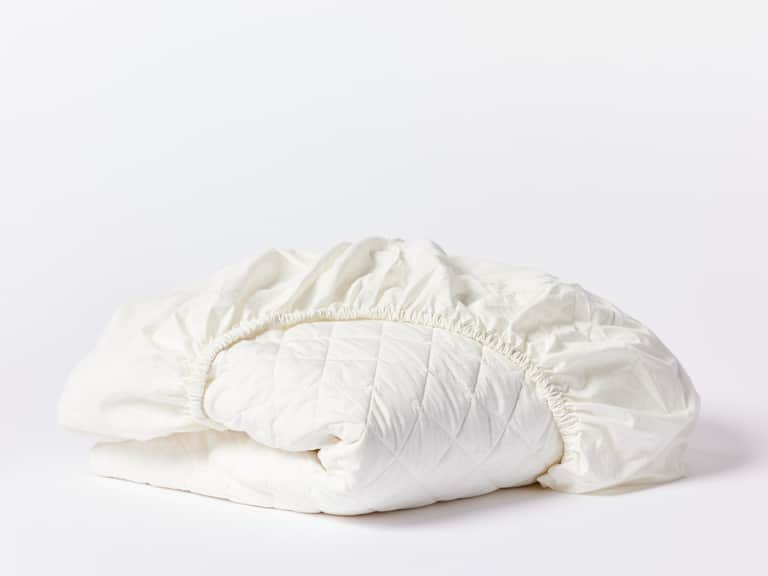
Cover design also affects care. Some mattress covers are removable; others are not intended to be taken off or washed. Do not assume a zippered cover is machine washable. Confirm the manufacturer’s instructions before cleaning, and consider using a well-fitting mattress protector if you want a practical barrier against spills and everyday wear.
Reading product claims with a clear eye
In a market where “green,” “clean,” and “natural” appear frequently, specific language is the most useful. Look for a full materials breakdown, named certifications, and a clear explanation of what each claim covers. If a company describes a bed as organic, ask whether that description applies to the latex, the cover, or the complete mattress.
It is equally sensible to review the less glamorous details: manufacturing location, warranty terms, return conditions, delivery arrangements, and the recommended foundation. A mattress is a long-term household purchase, and its practicality is part of its sustainability. A product that fits your needs and lasts in your home may be a more meaningful choice than one selected for a claim alone.
For a useful comparison, place product pages side by side and record the same information for each: latex type and certification, core and comfort-layer thickness, cover fibers, firmness options, care instructions, trial policy, and warranty exclusions. This small exercise can make differences visible where brand language might otherwise blur them.
Comparing brands, including Obasan and Naturepedic
When considering brands such as Obasan and Naturepedic, compare the specific mattress models rather than assuming that a brand name guarantees a particular feel or material standard. Collections can vary. One model may use a different layer configuration, cover fabric, or firmness choice from another product sold by the same company.
For each model, consult the current product specification and certification information. Note whether the latex is described as organic or natural, how the comfort layers are arranged, and what is included in the cover. If a detail is not published, ask the retailer or manufacturer directly. A reliable answer should distinguish verified materials from general marketing language.
Brand comparisons are most helpful when they answer a personal question. If you want a more responsive surface, compare the latex layers and quilted construction. If you are sensitive to heat, examine the cover and the complete material assembly rather than treating any one fiber as a guarantee of cool sleep. If your priority is traceability, look for documentation that identifies the certified material and its supply-chain standard.
A natural-latex example: layered construction
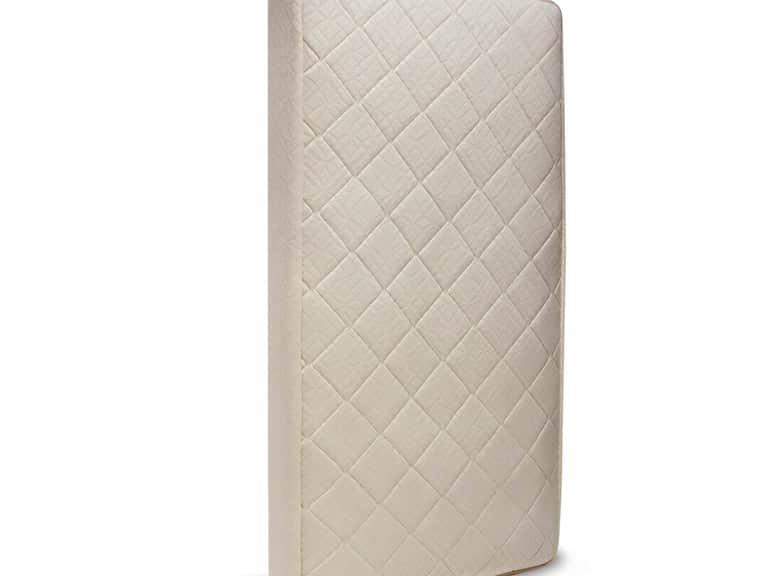
One example of a clearly described latex configuration is the Royal-Pedic Natural Latex Quilt-top Mattress with German Stretch Knit ticking. Its listing describes an approximately eight-inch natural Dunlop latex core, made up of a six-inch firm layer and a two-inch medium layer. The mattress also includes a cotton stretch-knit covering and chemical-free French wool around the core.
This example illustrates why a layer-by-layer description matters. Rather than relying on the word “latex,” a shopper can see that the construction combines a firmer base with a medium layer and a wool-and-cotton finish. The listing also states that the mattress may be used on a slat platform or an adjustable bed base. Those are useful details to verify against your own setup; compatibility and feel should always be confirmed with the seller before purchase.
It is one option, not a universal recommendation. The appropriate firmness and construction depend on the sleeper, the foundation, and the desired feel. Use specifications such as these as a model for the information to seek from any manufacturer.
Foundation, delivery, and the first weeks
A mattress does not perform in isolation. The foundation can affect how supported and firm it feels, and manufacturers may specify slat spacing or other requirements. Check the guidance before ordering, particularly if you plan to use an adjustable base or an existing platform. An unsuitable foundation can affect performance and may also complicate a warranty claim.
Natural latex mattresses can be heavy, so plan for delivery, stairs, and room access. Ask whether the mattress arrives compressed or in its full form, whether setup is included, and what removal options are available for an old bed. These practical details may not sound glamorous, but they belong in a careful buying decision.
Once the mattress is installed, allow yourself time to assess it. Notice how you feel when waking, whether movement is easy, and whether your usual pressure points feel comfortable. Keep the tags, care information, and order details accessible during any trial period. If you are considering a return, understand the process and fees before the deadline approaches.
Care, durability, and the longer view
Follow the manufacturer’s care directions rather than using a generic cleaning method. Some latex mattresses are not designed to be flipped; others may be rotated. A mattress protector can help shield the surface from moisture and stains, while routine airing and careful handling support a clean sleep environment. Avoid soaking the mattress or using cleaning products unless the manufacturer specifically permits them.
Durability depends on the quality of materials, construction, use, and care. Latex is known for resilience, but no material is immune to wear. Review the warranty for what it covers, how long coverage lasts, and what conditions—such as foundation requirements or visible impressions—apply. A warranty is not a promise that every comfort change will qualify for replacement.
Environmental impact also extends beyond the material label. Consider how long the bed is expected to serve you, whether it can be repaired or have layers replaced, and what end-of-life options are available in your area. Ask whether the manufacturer offers take-back or recycling information; do not assume a mattress can be placed in ordinary curbside recycling.
A concise checklist before you buy
- Identify the latex type and determine which components, if any, are certified organic.
- Record the thickness and firmness of the core and each comfort layer.
- Check cover fibers, quilting materials, treatments, and cleaning instructions.
- Match the feel to your sleep position and comfort preferences, not just a marketing label.
- Confirm foundation requirements, bed-frame compatibility, and delivery logistics.
- Read the trial, return, warranty, and care terms before placing an order.
- Ask for clarification when a materials or sustainability claim is broad or ambiguous.
The considered choice
An organic latex mattress can be a compelling meeting of comfort and material awareness, but the category is not one-note. The core may be firm or yielding; the comfort layers may be minimal or more plush; the cover may be simple stretch knit or softly quilted. Small construction choices add up to a distinctly different night’s sleep.
Begin with the way you sleep, then follow the materials from the core to the cover. Compare specifications across Obasan, Naturepedic, and other makers at the model level; seek documentation rather than relying on shorthand; and account for the bed base, care requirements, and return terms. When the details are clear, “organic latex” becomes more than an appealing phrase. It becomes a set of choices you can assess—one layer, one fabric, and one night of comfort at a time.