Understanding GOTS and OEKO-TEX: Certs for Eco-Friendly Mattresses and Bedding
A Vogue-tinged exploration of the two most influential certifications shaping sustainable sleep. From fiber to finish, we decode what GOTS and OEKO-TEX mean for health, environment, and the shopping list you carry to the mattress store.
Why Certifications Matter in Eco Sleep
In the era of ethical consumption, a seal on fabric or foam is more than a pretty badge; it is a promise. For green-mattress.com, certifications function as a compass in a sea of claims. GOTS, the Global Organic Textile Standard, operates at the fiber level—organic status, chemical restrictions, and social criteria weave together to form a transparent, trustworthy tapestry. OEKO-TEX, by contrast, emphasizes textiles’ safety profile—testing for harmful substances, ensuring consumer health and comfort without compromising performance. Together, they form a layered assurance that extends from raw material to finished product.
For shoppers seeking organic mattresses and bedding, certifications translate into practical decision criteria: fiber content clarity, restricted chemical profiles, third-party testing, and clear labeling. They help distinguish products that genuinely reduce chemical exposure and environmental footprint from those that merely borrow the green aura. In a world where “non-toxic” can be a marketing headline, a certification box is the quiet, authoritative whisper of credibility.
GOTS: The Gold Standard for Organic Textiles
GOTS is the gold standard because it governs the entire supply chain, not just the surface layer. To earn GOTS certification, fibers must be certified organic, and every stage of processing—dying, bleaching, finishing—must meet stringent ecological and social criteria. The standard restricts the use of toxic chemicals, ensures safe working conditions, and mandates environmentally conscious manufacturing practices. For bedding and mattresses, GOTS certification signals that the fabric layer touching your skin is free from a long list of status quo irritants and toxins that can disrupt sleep hygiene—and, more broadly, your wellness.
GOTS covers common sleep textiles such as organic cotton and organic wool, and it extends to certain biodegradable or natural fibers when they meet the rigorous criteria. The certification often appears on packaging and hangtags, accompanied by a certificate number that traceably links to the brand’s production records. When you see GOTS on an organic cotton sheet set or a mattress cover, you’re not only looking at a product with clean inputs but also a product that aligns with sustainable farming and fair labor practices.
OEKO-TEX: Safety and Cleanliness in Practice
OEKO-TEX Standard 100, perhaps the best-known label in textiles, focuses on safety rather than fiber origin alone. It tests for harmful substances across the textile supply chain and sets limits for a wide range of chemicals, often including residuals from dyes, finishing agents, and processing aids. For sleep enthusiasts, this translates to a bedding experience that minimizes skin irritation, respiratory concerns, and allergen exposure—crucial in bedrooms where children, adults with sensitivities, or allergy-prone sleepers share the space.
OEKO-TEX testing is frequently complemented by product-specific certifications that address internal mattress components, such as foams and padding, ensuring that sleepers encounter less off-gassing and lower VOC exposure. Labels like OEKO-TEX Standard 100 provide quick reassurance that a textile product has passed rigorous safety tests, while brand-level certifications may reflect ongoing commitments to safer materials and responsible manufacturing.
Practical Guidance: Reading Labels and Using Certifications
Shopping for eco-friendly sleep gear can feel like decoding a couture lookbook—every label suggests a backstory. Here are practical tips to navigate with confidence:
- Read the fiber content and certifications side by side. GOTS confirms organic fibers; OEKO-TEX confirms safety and absence of harmful substances.
- Check for third-party verification. Look for certificate numbers or public registries that link back to the manufacturing process.
- Understand what is certified. GOTS is fiber-level; OEKO-TEX can apply to fabrics, finishes, and finished products. Combined, they address inputs and end-use safety.
- Beware of “greenwashing.” If a product touts environmental virtue without transparent sourcing, fiber certification, or lab testing, ask for specifics or a certificate of authenticity.
- Consider cross-category certifications. A mattress top layer and a sheet set may carry different certifications; the strongest protection is a product family with cohesive certification coverage.
Time-Honored Figures Spanning Eras: Key Voices on Eco Sleep
To illuminate the conversation with a human cadence, we turn to three pivotal thinkers who shaped sustainability and wellness across time. Their threads weave through textile ethics, health sciences, and consumer culture—each leaving an imprint on how we perceive green sleep today.
Mahatma Gandhi (1869–1948)
Gandhi's ethic of simple, responsible living and respect for natural materials seeded a global consciousness about sustainable consumption. His advocacy for weaving and local, nonviolent production prefigured modern labor and material ethics, inspiring later textile movements and natural-fiber advocacy that echo in today’s demand for organic textiles and ethical sourcing.
Rachel Carson (1907–1964)
Carson's Silent Spring catalyzed environmental awareness and the modern environmental movement. Her insistence on the precautionary approach to chemical use and ecosystem health reframes the bedding landscape—pushing brands toward safer finishes, non-toxic dyes, and healthier indoor environments for sleep.
Dr. Henry W. Longo (1952–2020)
A pioneer in environmental health, Longo advanced the understanding of how indoor air quality and chemical exposures affect well-being. His work underscores the importance of low-VOC materials, safe flame retardants, and the broader environmental context in which sleep health occurs—tenets that echo in modern green certification frameworks.
A Practical Guide to Certifications on the Shelf
For the discerning shopper,certifications are not mere stamps; they are a narrative about a product's life cycle. Here is a compact guide to interpreting GOTS and OEKO-TEX in the context of mattresses and bedding:
- GOTS: Look for organic fiber content, processing criteria, environmental thresholds, and social criteria. The presence of GOTS generally signals a holistic approach to material health and sustainable production.
- OEKO-TEX: Seek the Standard 100 (or other OEKO-TEX certifications) to verify that textiles meet safety standards for chemical exposure. For products like latex, foams, and padding, OEKO-TEX may accompany independent testing of finished goods.
- Label literacy: Certifications frequently come with a certificate number, scope notes, and the issuing body. If in doubt, visit the certifier’s database to confirm the current status and validity.
- Cross-referencing: A product with both GOTS and OEKO-TEX labeling represents a robust, dual-layered approach to sustainability and safety—first at the fiber level, then in the finished article.
Product Spotlight: Royal-Pedic Natural Latex Quilt-top Mattress
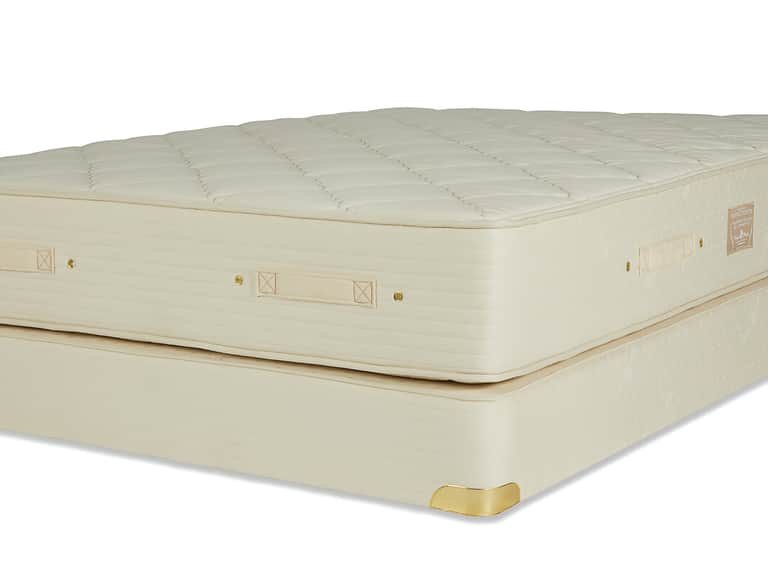
The Royal-Pedic Natural Latex Quilt-top Mattress with German Stretch Knit ticking exemplifies the union of luxury and natural materials. Its interior is built on an all-natural Dunlop latex core—ambitious in support and contour, designed to cradle the body in a balanced embrace. The surrounding wool and cotton fabrics, with wool acting as a natural flame barrier, deliver a sleep environment that prioritizes breathability and temperature regulation. The absence of chemical flame retardants aligns with a low-tox lifestyle, while the ability to pair with adjustable bases adds flexibility for evolving sleep needs.
In the context of GOTS and OEKO-TEX, this mattress resonates with the ethos of choosing materials with a clean chemical profile and a transparent manufacturing narrative. Its craftsmanship speaks to a brand tradition rooted in meticulous, hand-crafted processes, reinforcing the idea that sustainable luxury can be both functional and aspirational.
Note: The image here is a descriptive stand-in; in the live page, product photography would underscore the luxurious texture and natural materials that define this piece.
Bringing It All Together: The Green Sleep Editorial Vision
Green-mattress.com combines editorial polish with practical guidance, inviting readers into a space where sleep is a ritual of care for oneself and the planet. The aesthetic—calm greens, soft neutrals, and airy typography—reflects the values of sustainability, transparency, and discernment. The editorial voice is inclusive, confident, and evidence-informed, with a meticulous approach to sourcing, labeling, and material science.
In a culture that prizes quick recommendations, this article persists in offering context, nuance, and action. It invites readers to ask questions, seek certifications, and ultimately curate sleep ecosystems that honor health, comfort, and ecological stewardship. The result is not simply a better night’s rest but a daily practice of mindful living—an elegant, enduring commitment to the wellbeing of people and nature alike.
Conclusion: A Velvet Rope to Educational Transparency
As you journey through the world of sustainable sleep, let certifications be your velvet rope: not a barrier, but a doorway to credibility. GOTS and OEKO-TEX offer a framework to compare, question, and celebrate the materials that cradle our most intimate hours. Through thoughtful product choice, clear disclosures, and a commitment to ongoing learning, we can unlock a future where eco-friendly sleep is not a rare luxury but a celebrated, accessible standard.
Written with the cadence of couture, crafted for the everyday sleeper and the conscientious consumer.